


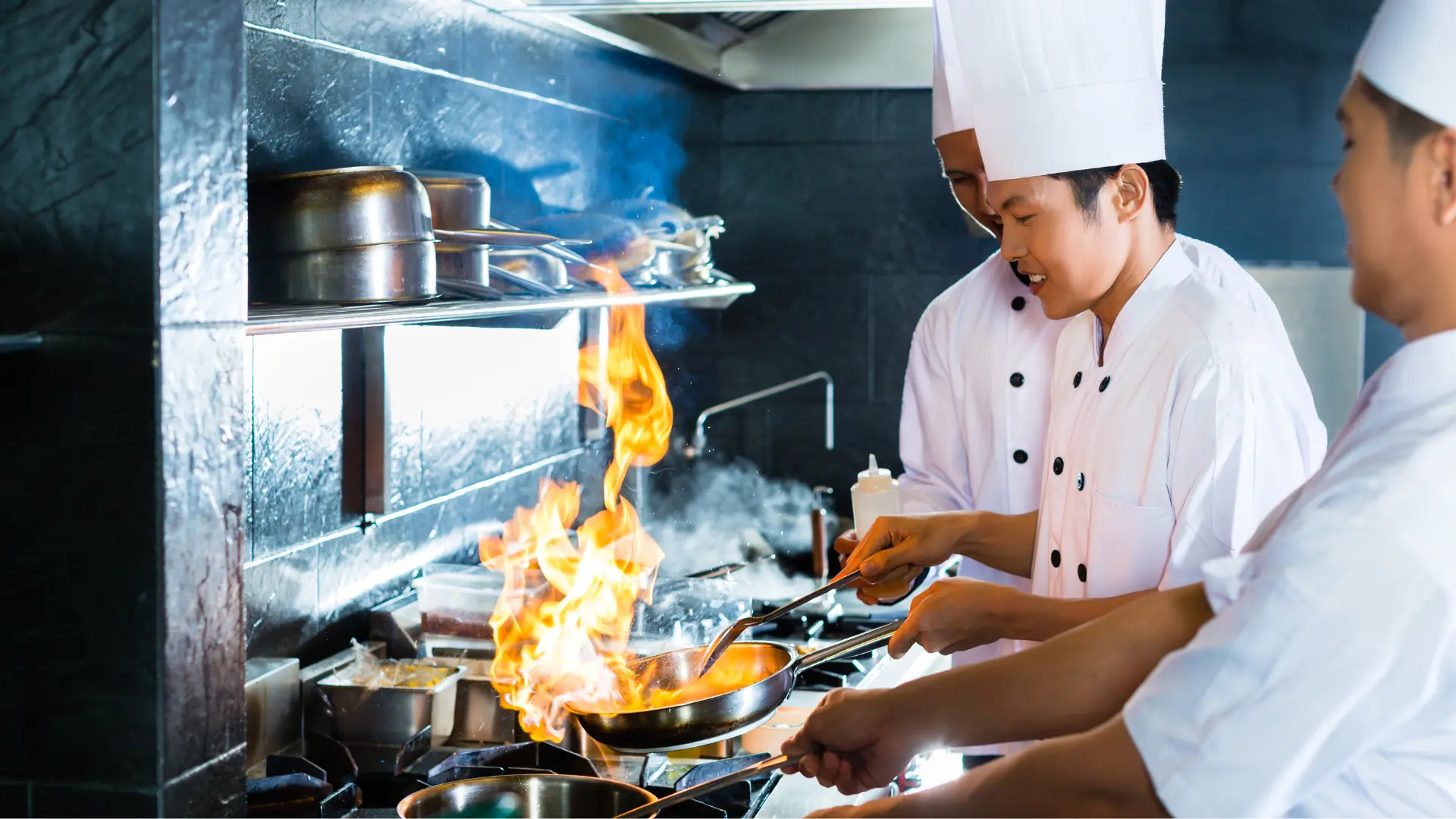
Australia’s hospitality industry continues to experience strong demand for skilled culinary professionals. Occupations such as Chef and Cook play an essential role in restaurants, hotels, and catering businesses across the country.
For many migration pathways, applicants must obtain a positive skills assessment before applying for a skilled or employer-sponsored visa. This assessment confirms that a migrant’s qualifications and work experience meet Australian standards.
If you are planning to migrate to Australia as a chef or cook, understanding the skills assessment process is essential.
In this guide, we explain:
-
What a chef or cook skills assessment involves
-
The Trades Recognition Australia (TRA) process
-
Which countries require mandatory skills assessments
-
The documents and experience required
-
How migration lawyers can assist with the process
Do Chefs and Cooks Need a Skills Assessment for Australia?
Yes. Most chefs and cooks applying for Australian migration visas must obtain a skills assessment from Trades Recognition Australia (TRA).
This assessment confirms that the applicant’s qualifications, training and work experience meet Australian industry standards.
A skills assessment may be required for visas such as:
-
Skilled Independent Visa (Subclass 189)
-
Skilled Nominated Visa (Subclass 190)
-
Skilled Work Regional Visa (Subclass 491)
-
Temporary Skill Shortage Visa (Subclass 482) in certain circumstances
Applicants from countries including India, China, Philippines, Vietnam, Nepal, Pakistan, Bangladesh and Brazil are generally required to complete a skills assessment before lodging their visa application.

What is a Skills Assessment for Chefs and Cooks?
A skills assessment is an official evaluation of a migrant’s qualifications and work experience to confirm that they meet the required standards for a specific occupation in Australia.
For chefs and cooks, the assessing authority is Trades Recognition Australia (TRA). TRA is responsible for assessing trade occupations for migration purposes.
The assessment ensures that applicants have the technical skills, training and employment experience required to work in professional kitchens in Australia.
Without a positive skills assessment, applicants may not be eligible to apply for certain migration visas.
Chef vs Cook: Key Differences for Australian Migration
Although chefs and cooks both work in commercial kitchens, the Australian migration system distinguishes between these two occupations.
Understanding the difference is important when applying for a skills assessment or visa.
Chef (ANZSCO 351311 / 321111)
A chef typically holds a more senior role in the kitchen and is responsible for supervising staff and managing food preparation.
Typical duties include:
-
Planning menus and estimating food costs
-
Supervising cooks and kitchen staff
-
Ordering ingredients and kitchen supplies
-
Ensuring compliance with food safety standards
-
Preparing and cooking meals
To qualify as a chef for migration purposes, applicants usually require:
-
Certificate III in Commercial Cookery
-
Certificate IV in Commercial Cookery
-
Relevant work experience in a commercial kitchen
Chefs are often listed on the Medium and Long-term Strategic Skills List (MLTSSL), which can provide potential pathways to permanent residency.
Cook (ANZSCO 351411)
Cooks are primarily responsible for preparing and cooking food rather than managing kitchen operations.
Typical responsibilities include:
-
Preparing ingredients and cooking dishes
-
Monitoring cooking times and temperatures
-
Maintaining kitchen hygiene standards
-
Plating and portioning meals
Applicants usually need:
-
Certificate III in Commercial Cookery or equivalent qualification
-
At least three years of relevant employment experience
Many cooks migrate to Australia through employer-sponsored visa pathways, particularly the Temporary Skill Shortage (Subclass 482) visa.
Trades Recognition Australia (TRA) Skills Assessment Pathways
Trades Recognition Australia offers several programs depending on where the applicant studied and their migration pathway.
Job Ready Program (JRP)
The Job Ready Program is designed for international students who completed cookery qualifications in Australia.
The program includes four stages:
-
Provisional Skills Assessment (PSA) – verification of qualifications
-
Job Ready Employment (JRE) – employment in a relevant position
-
Job Ready Workplace Assessment (JRWA) – workplace assessment of skills
-
Job Ready Final Assessment (JRFA) – final skills assessment outcome
Applicants must usually complete at least 12 months of relevant employment before receiving a final assessment.
Offshore Skills Assessment Program (OSAP)
The Offshore Skills Assessment Program is designed for applicants who obtained their qualifications outside Australia.
This process may include:
-
Document assessment
-
Technical interviews
-
Practical cooking assessments conducted by an approved assessor
The OSAP program ensures that overseas-trained chefs and cooks meet Australian industry standards.
Migration Skills Assessment (MSA)
The Migration Skills Assessment pathway is available for applicants applying for skilled migration who are not eligible for the Job Ready Program.
Applicants must demonstrate:
-
Relevant cookery qualifications
-
Verified employment history
-
Skills equivalent to Australian trade standards
Countries That Must Complete a Skills Assessment for Chef and Cook Visas
For certain visa applications, particularly the Skills in Demand (Subclass 482) visa, passport holders from specific countries must complete a mandatory skills assessment.
These countries include:
-
Bangladesh
-
Brazil
-
China
-
Fiji
-
Hong Kong SAR
-
India
-
Macau SAR
-
Nepal
-
Pakistan
-
Papua New Guinea
-
Philippines
-
South Africa
-
Thailand
-
Vietnam
-
Zimbabwe
If you hold a passport from one of these countries, you will typically need to obtain a positive TRA skills assessment before applying for the visa.
However, some exemptions may apply in limited circumstances, such as when the applicant holds relevant Australian qualifications.
Documents Required for a Chef or Cook Skills Assessment
Applicants must provide detailed documentation to support their skills assessment application.
Common documents include:
Identity Documents
-
Passport
-
Identification documents
Educational Qualifications
-
Cookery certificates or diplomas
-
Academic transcripts
Employment Evidence
-
Employment reference letters
-
Payslips
-
Tax records
-
Employment contracts
Supporting Evidence
-
Resume or CV
-
Evidence of duties performed
-
Photographs or examples of kitchen work
Providing complete and accurate documentation is essential to avoid delays or refusals.
TRA Skills Assessment Processing Times
Processing times can vary depending on the assessment pathway and the completeness of the application.
Generally, applicants can expect:
-
Initial document review: several weeks
-
Full assessment process: approximately 8 to 12 weeks
Delays may occur if additional documents are requested.
Common Mistakes in Chef and Cook Skills Assessment Applications
Many applicants encounter difficulties during the skills assessment process.
Common issues include:
Insufficient Evidence of Employment
Applicants sometimes fail to provide payslips, tax records or detailed reference letters.
Incorrect Occupation Selection
Choosing the wrong occupation (chef vs cook) can result in assessment refusal.
Experience Only in Fast-Food Businesses
Work performed mainly in fast food outlets or takeaway restaurants may not meet TRA trade standards.
Inconsistent Documentation
Differences between employment references, resumes and visa forms can create delays.
How NB Migration Law Can Help
Navigating the chef and cook skills assessment process can be complex, especially for applicants with overseas qualifications.
A migration lawyer can assist by:
-
Identifying the correct occupation category
-
Determining the appropriate TRA assessment pathway
-
Preparing strong documentation and evidence
-
Avoiding common mistakes that lead to refusals
-
Advising on the best visa pathway for permanent residency
At NB Migration Law, we assist hospitality professionals throughout the migration process, from skills assessments to visa applications.
FAQ: Chef and Cook Skills Assessment Australia
Do chefs need a skills assessment to migrate to Australia?
Yes. Most chefs applying for skilled migration or employer-sponsored visas must obtain a positive skills assessment from Trades Recognition Australia (TRA).
How long does a chef skills assessment take?
A TRA skills assessment usually takes approximately 8 to 12 weeks, depending on the pathway and whether additional documents are required.
What qualifications do chefs need for Australian migration?
Chefs typically require:
-
Certificate III in Commercial Cookery
-
Certificate IV in Commercial Cookery
-
Relevant work experience in a commercial kitchen
Can cooks apply for permanent residency in Australia?
In some cases, yes. However, cooks commonly migrate first through employer-sponsored visas before applying for permanent residency.
Do all countries require a chef skills assessment?
No. However, passport holders from several countries must complete a mandatory skills assessment before applying for certain visas, including the Subclass 482 visa.
If you are a chef or cook planning to migrate to Australia, obtaining the correct skills assessment is an important first step toward achieving your migration goals.
Seeking professional advice early can help ensure your application is prepared correctly and increase your chances of a successful outcome. Book a free consultation with us now!