



Applying for an Australian Partner Visa is an important step toward building a life together in Australia. However, the process can be complex, and many applications are refused due to common pitfalls. Being well-informed about the requirements and addressing them carefully in your application significantly improves your chances of success.
Recent trends show that partner visa refusal rates have increased from around 3% during the pandemic to approximately 7–8% in recent years, as the Department of Home Affairs (DOHA) resumed thorough integrity checks and processed older or more complex applications.
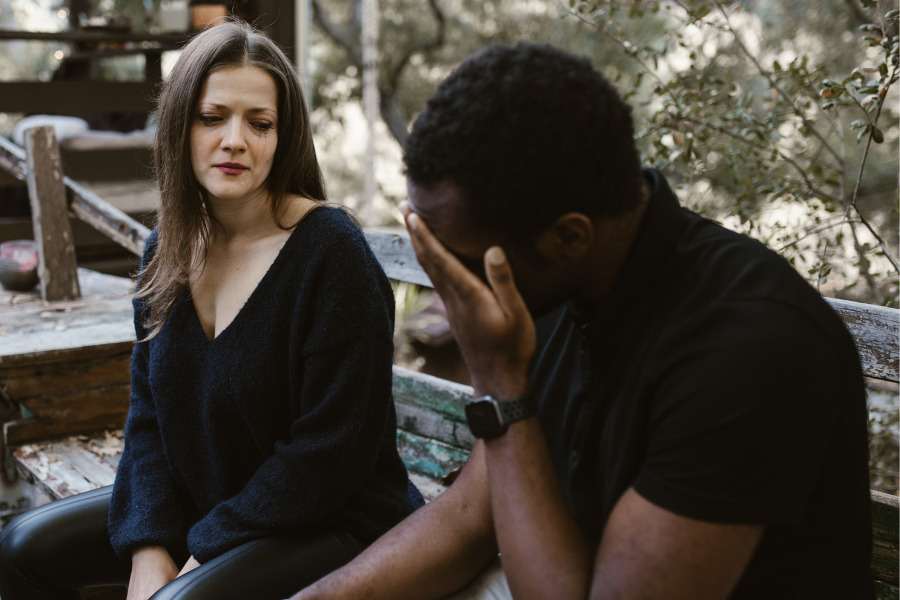
Why Partner Visas Are Refused and How Trends Have Changed
The most frequent reason for a partner visa refusal is that the Department does not consider the relationship genuine and continuing. Applicants need to provide strong evidence across four key areas:
-
Financial aspects: joint bank accounts, shared liabilities, household bills
-
Nature of the household: shared living arrangements, division of household responsibilities, children’s schooling arrangements
-
Social aspects: joint social activities, recognition as a couple by friends and family, statutory declarations (Form 888)
-
Nature of commitment: knowledge of each other’s personal circumstances, combined personal affairs, evidence of long-term commitment
Failing to provide comprehensive and consistent evidence in these areas often leads to refusal. Additionally, providing misleading or fraudulent information can trigger the Public Interest Criterion 4020 (PIC 4020), which has become a major contributor to refusals in recent years.
Other Common Reasons for Refusal
-
Eligibility and Visa Subclass Issues: Lodging the wrong visa subclass (onshore vs. offshore) or failing to meet the 12-month cohabitation requirement for de facto relationships.
-
Sponsor Issues: The Australian partner (sponsor) must also meet strict criteria. Refusals can occur if the sponsor fails the character test, has previously sponsored multiple partners beyond allowed limits, or does not meet residency, income, or citizenship requirements.
-
Health and Character Requirements: Failure to pass required medical or police checks for the applicant or their family members.
Why Refusal Rates Have Increased
While these reasons have always existed, refusal rates have risen from around 3% during the pandemic to 7–8% in recent years. Key factors contributing to this increase include:
-
Stricter scrutiny of relationship evidence, particularly for de facto couples with weaker cohabitation or social proof.
-
Intensified enforcement of PIC 4020, targeting fraudulent or misleading documents.
-
Onshore technical refusals under Schedule 3, affecting applicants who overstayed visas or held “No Further Stay” conditions.
-
Mandatory character checks for sponsors, with ineligible sponsors causing refusals even when applicants meet all other requirements.
By understanding these reasons, applicants and sponsors can better prepare their evidence, ensure compliance with all requirements, and strengthen their chances of approval.
What to Do if Your Partner Visa Is Refused
If your partner visa application is refused, you have two main options: reapply with a stronger submission, ensuring all evidence is accurate, complete, and consistent, or appeal to the Administrative Review Tribunal (ART). Strict time limits apply for lodging an appeal, as stated in the refusal letter, and missing these deadlines may forfeit your right to a review.
Get Expert Help to Maximise Your Chances
Partner visa applications can be complex, and even small mistakes can lead to refusal. Professional guidance from migration lawyers or agents ensures your application is complete, consistent, and compelling. Experts can advise you on the specific evidence needed to prove a genuine relationship, identify and correct any inconsistencies in documents or statements, liaise directly with the Department of Home Affairs on your behalf, and explore alternative visa pathways if a refusal occurs. That is why it helps when you are guided by migration law experts to get it right the first time.
At No Borders Law Group, we assist with lodging and appealing Partner Visa applications, providing a free, no-obligation assessment to evaluate your eligibility, advise on evidence preparation, and manage your application or appeal process from start to finish, helping you maximise your chances of approval and minimise stress.