



As Australia moves into 2026, the federal government’s migration strategy continues to evolve in response to economic pressures, workforce shortages, and infrastructure capacity. Changes are being made to how visas are prioritised, how international students are assessed, and how skilled migrants are selected and sponsored.
Rather than significantly reducing overall migration numbers, the government’s focus is on reshaping the composition of the migration program. The aim is to ensure migration outcomes better align with labour market demand, wage protection, housing availability, and long-term national interests. This approach reflects a shift away from volume-driven migration and toward a more targeted, skills-based system.

Stable Numbers with Sharper Priorities
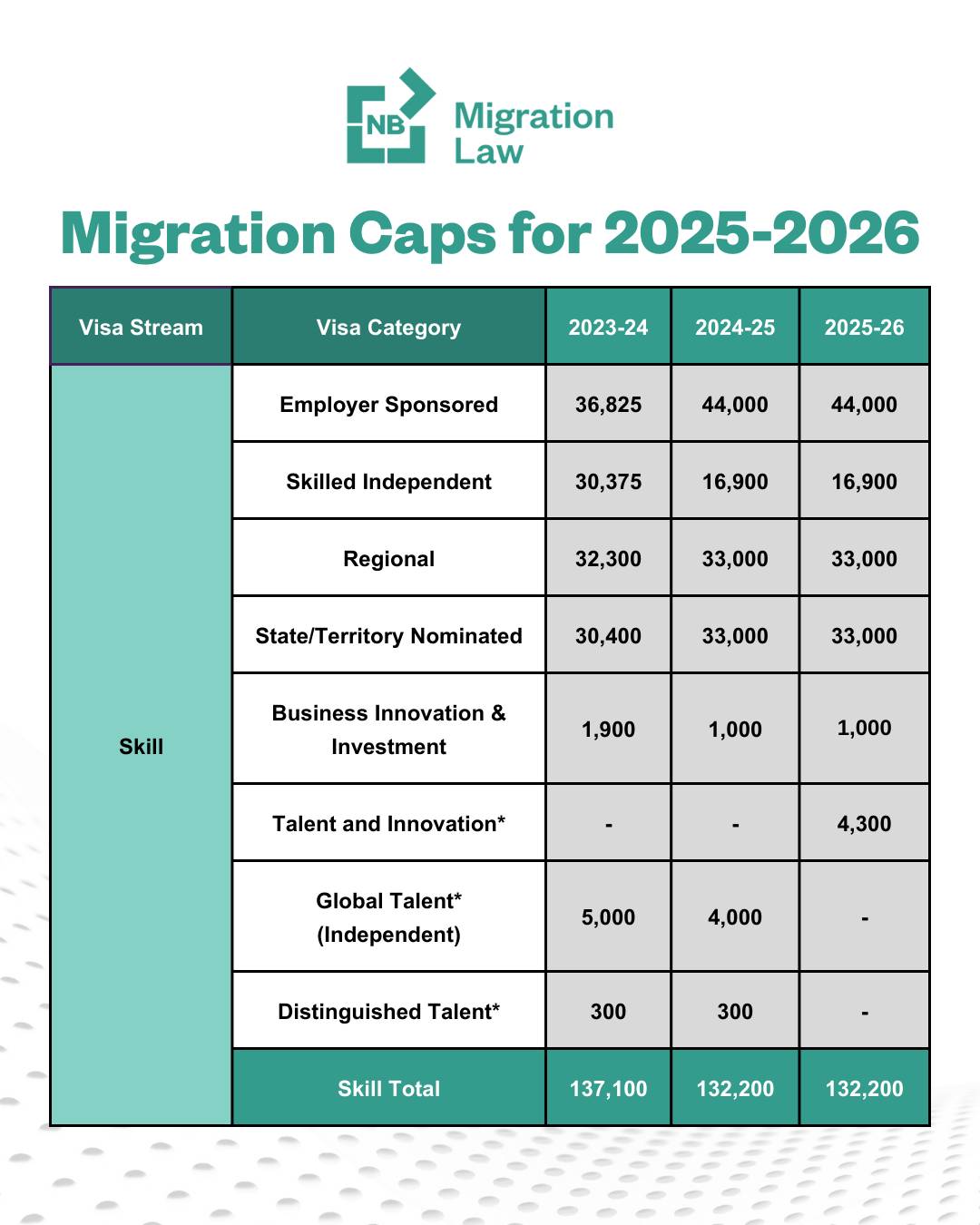
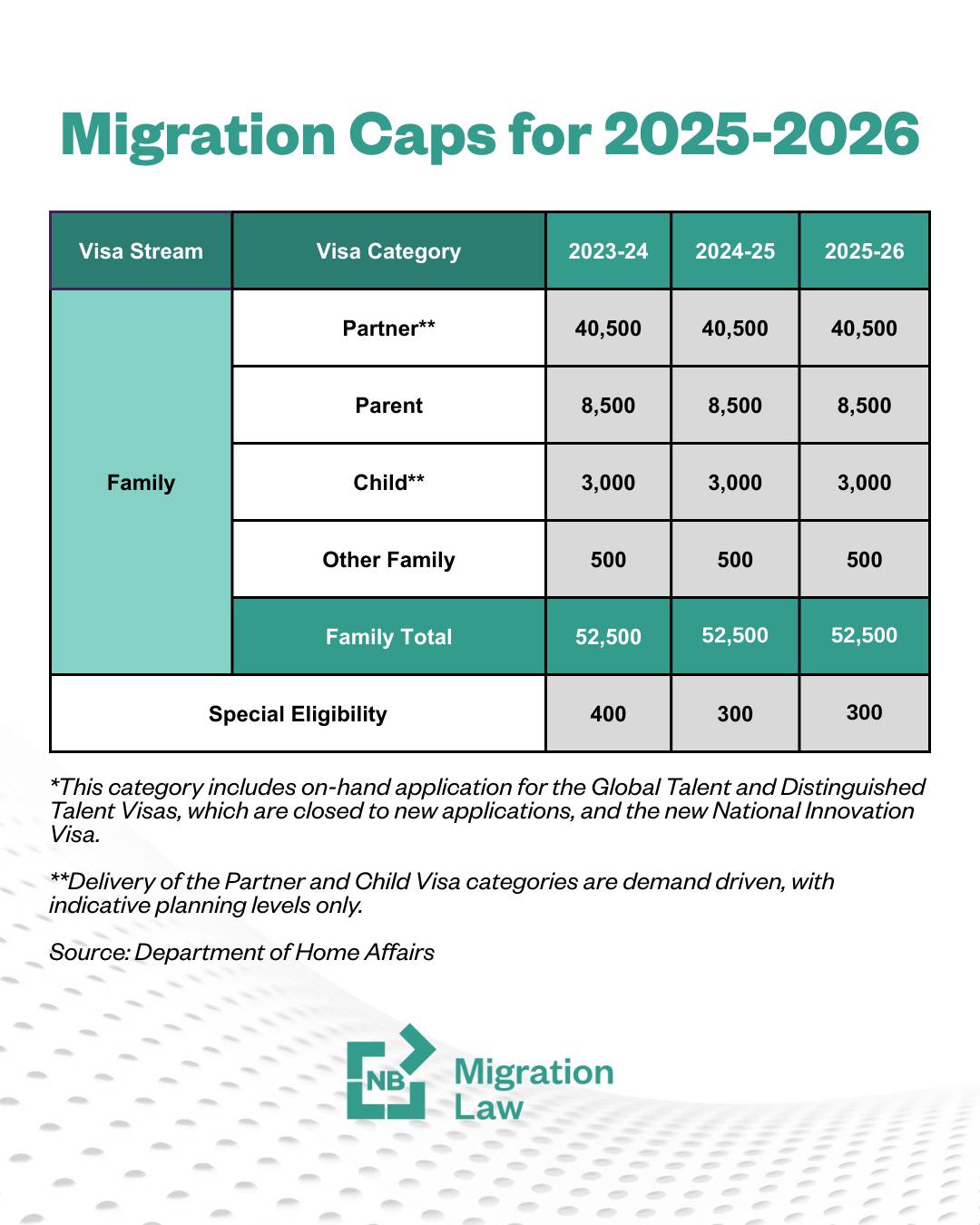
The permanent migration program for the 2025–26 financial year will remain at 185,000 places, consistent with previous planning levels. Skilled migration continues to account for a substantial share of this allocation, reinforcing the government’s reliance on migration to address persistent workforce shortages and support economic productivity.
However, the policy focus has moved beyond headline numbers. Greater emphasis is now placed on the quality of entrants, their capacity to integrate into the workforce, and their contribution to priority sectors. Recent policy adjustments include changes to skilled visa income thresholds and labour market testing requirements. These measures are designed to ensure that overseas workers are filling genuine skills gaps and are paid in line with Australian wage standards.
For employers, this means sponsorship decisions now require more careful workforce planning. For skilled migrants, it means increased scrutiny of eligibility and stronger competition for visa places.
International Students: Managed Growth with Stronger Oversight
After several years of restrictive settings aimed at managing student numbers, Australia’s 2026 migration strategy signals a measured expansion of the international education sector. The national planning level for international students is set to increase from 270,000 in 2025 to 295,000 in 2026, reflecting recognition of the sector’s economic value and its role as a future skills pipeline.
At the same time, student visa integrity has become a central policy concern. Enhanced assessment measures are now firmly in place to ensure that student visas are used for genuine study purposes. These include higher English language requirements, more rigorous financial capacity assessments, and closer examination of academic progression and intent.
Education providers are also subject to increased accountability. Student intake approvals are now more closely linked to institutional capacity, accommodation planning, and regional engagement. These measures aim to ensure sustainable growth while reducing pressure on housing, transport, and local services.
Skilled Migration: Closer Alignment with Workforce Demand
Skilled migration remains the cornerstone of Australia’s migration framework. From July 2025, income thresholds for many skilled visas were indexed to reflect wage growth. As a result, sponsoring employers must meet higher salary benchmarks when nominating overseas workers.
These changes are intended to protect local wages, discourage misuse of temporary visa pathways, and ensure that skilled migrants are appropriately remunerated for their expertise. They also reinforce the expectation that skilled migration should complement, not undercut, the domestic workforce.
In parallel, occupation lists and visa priorities have been refined to better reflect current labour market needs. Greater priority is given to roles in healthcare, engineering, construction, and critical trades, particularly in regional areas experiencing sustained shortages. The overall direction favours economic contribution, workforce participation, and long-term settlement outcomes over short-term or low-skilled migration.
Net Overseas Migration: Returning to Balance
Following the pandemic-driven surge in arrivals, Net Overseas Migration has begun to ease closer to pre-COVID levels. This shift has been influenced by slower growth in temporary visa numbers, increased departures, and tighter compliance settings across several visa categories.
While migration levels remain higher than historical averages, the government has signalled its intention to balance migration intake with Australia’s housing supply, infrastructure capacity, and public services. This recalibration reflects growing concern about congestion, rental affordability, and pressure on essential services in major metropolitan areas.
Balancing Economic Goals and Practical Challenges
Australia’s migration strategy continues to face practical challenges. Industry experts have noted that granting skilled visas alone does not guarantee effective workforce outcomes. Skills must be properly utilised once migrants arrive, otherwise labour shortages can persist despite increased migration intake.
In the international education sector, housing availability and institutional readiness remain key considerations. New requirements now link student intake levels to accommodation planning and support services, particularly in high-demand locations. These measures are intended to ensure that growth in migration is supported by real-world capacity.
What This Means for Applicants
For international students:
- Expect increased scrutiny during the visa application process.
- Clear evidence of genuine study intent and financial capacity is essential.
- Processing times may vary depending on compliance levels and provider capacity.
For skilled workers and employers:
- Higher salary thresholds require early planning and realistic budgeting.
- Priority will be given to occupations aligned with demonstrated labour shortages.
- Permanent residency pathways remain available but are increasingly competitive and strategically targeted.
Need clarity on how Australia’s 2026 migration changes affect you?
Australia’s 2026 migration settings reflect continuity in overall numbers, combined with a clear shift toward stricter compliance, stronger economic alignment, and more targeted visa pathways. For international students, skilled migrants, and employers alike, navigating this environment requires informed planning and professional guidance.
NB Migration Law provides clear, practical, and tailored migration advice based on your individual circumstances and long-term goals. Whether you are planning your next study pathway, exploring skilled migration options, or managing employer sponsorship obligations, the right strategy matters more than ever.
Speak with our migration experts today for advice specific to your situation.