


In 2026–2027, Australia’s migration landscape is defined by a shift toward regional prioritisation and high-demand sector alignment. As the federal government tightens the “Skilled Independent” (Subclass 189) pathway, state nomination (Subclass 190 and 491) has become the primary engine for permanent residency.
This guide outlines the strategic landscape for migrants navigating the current program year.

1. New South Wales & Victoria
High Stakes, High Reward
Sydney and Melbourne remain the premier destinations for global talent, but they currently operate on a “quality over quantity” model.
-
The Landscape: Both states have shifted toward highly targeted invitation rounds. For 2026–27, they are prioritising candidates who not only have high points (often 95+) but also possess “superior” English and niche experience in Renewable Energy, Cyber Security, and Advanced Manufacturing.
-
Key Challenge: The cost-of-living crisis in these cities is a critical factor. Rents in Sydney have reached record highs, making a high salary not just a career goal, but a settlement necessity.
-
Best For: Elite professionals in Tech, Finance, and Infrastructure who already have an onshore job offer or a significant points buffer.
2. Queensland
The “Arbitrage” State
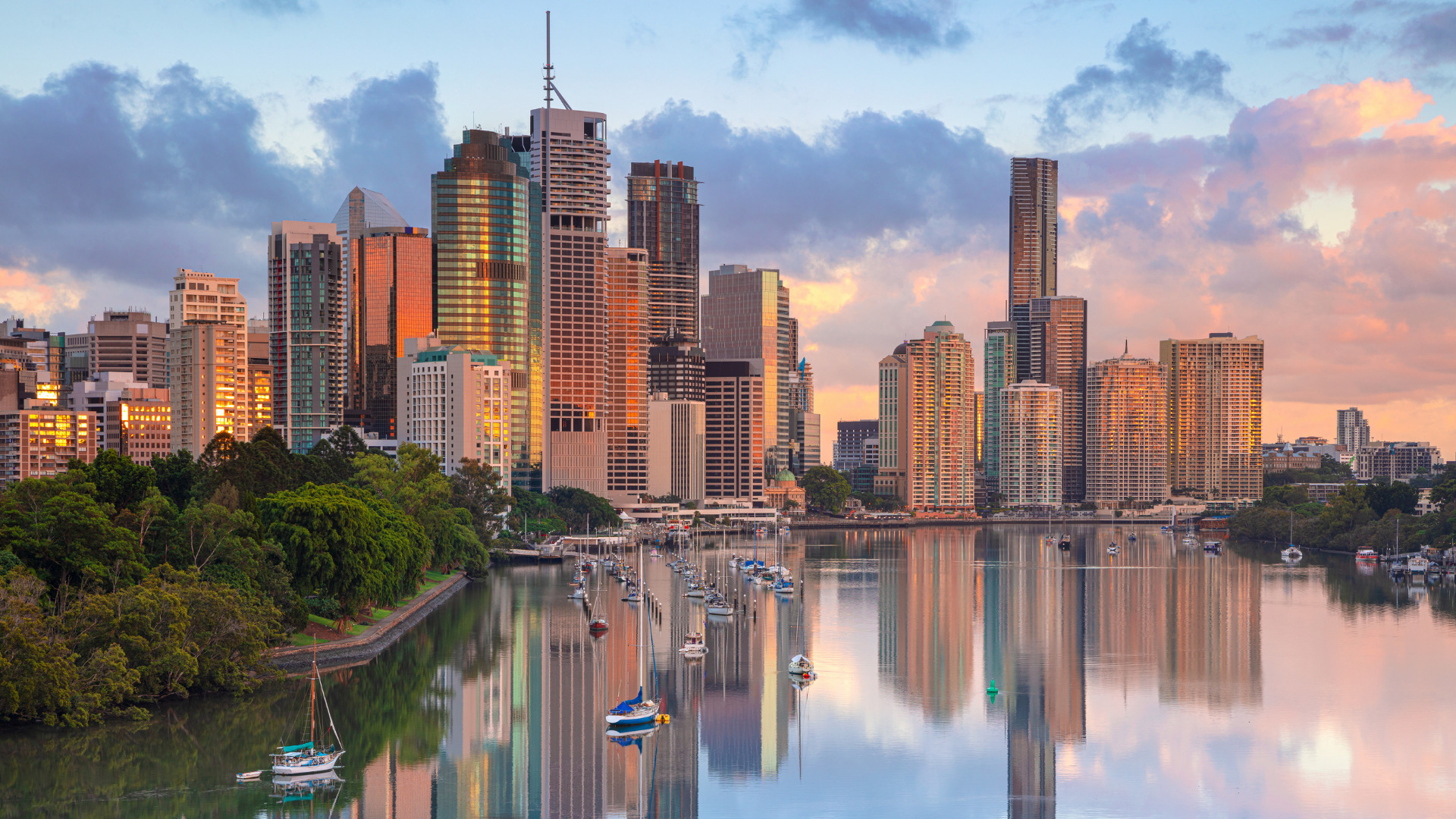
Queensland has become the “arbitrage” destination of 2026—offering the career upside of the east coast with slightly more manageable living costs.
-
Strategic Advantage: Queensland is currently undergoing a “construction super-cycle” ahead of major 2032 infrastructure commitments. The state has introduced a 3-month rapid pathway for construction trades, making it the fastest route for skilled blue-collar workers.
-
Priority Sectors: Health, Education, and Agriculture-Tech (AgTech).
-
Note: The Small Business Owner (SBO) pathway remains highly competitive; applicants should ensure they meet the updated 2026 investment thresholds before applying.

3. Western Australia
The High-Wage Frontier
WA continues to be the most aggressive state in “headhunting” skilled migrants, particularly from overseas.
-
Incentives: The Construction Visa Subsidy Program (CVSP) provides up to $10,000 in grants to help offset relocation and visa costs for qualified workers.
-
Employment: WA offers the highest average wages in the resources and engineering sectors. The Skilled Migration Job Connect initiative also provides up to $7,500 for gap training and licensing.
-
Best For: Engineers, Mechanics, Electricians, and Healthcare workers who want immediate high-income potential.
4. South Australia
The Stability Specialist
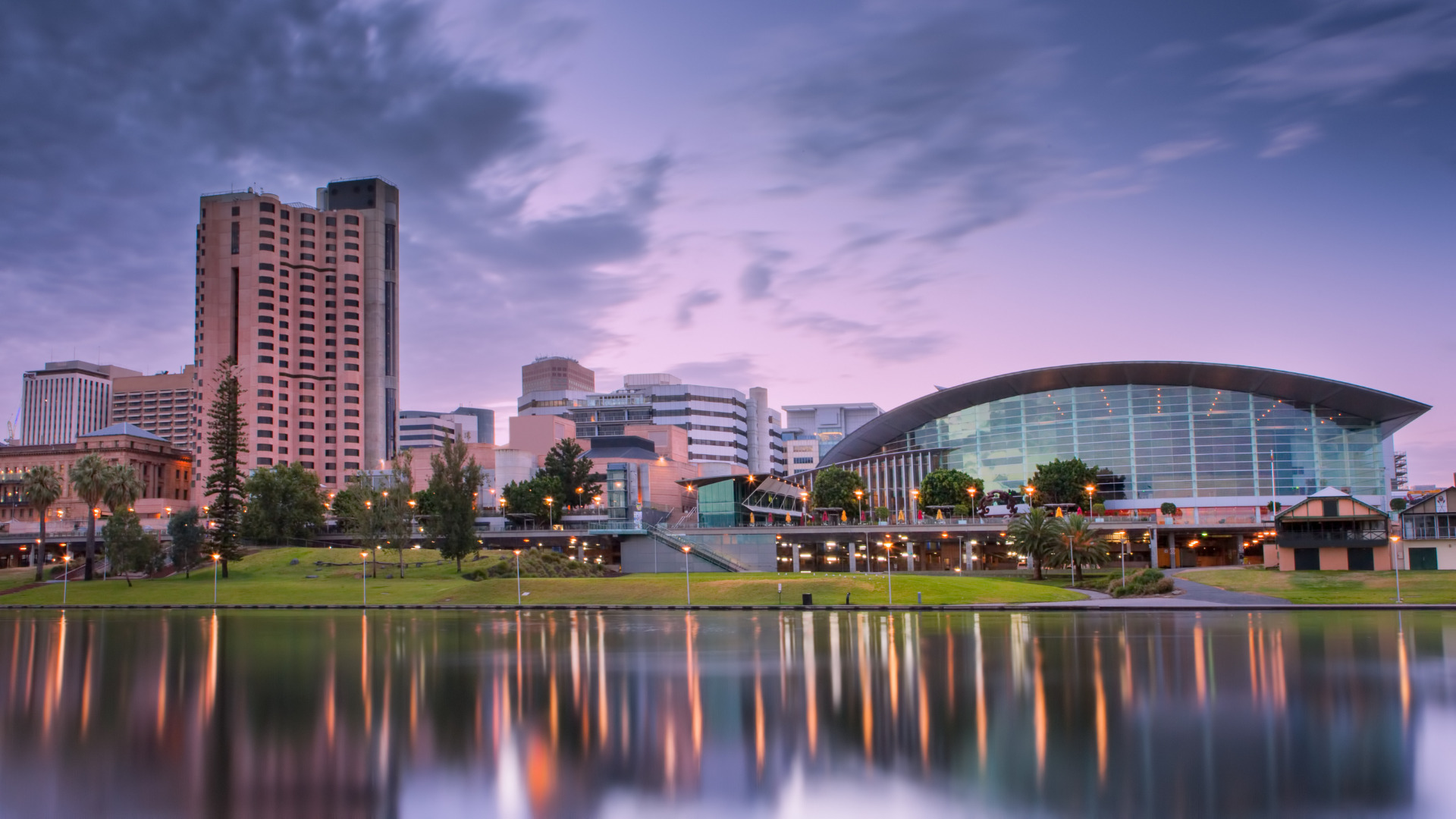
South Australia has successfully branded itself as the most “livable” state for families seeking long-term stability.
-
The Pathway: SA uses a predictable, monthly invitation cycle. In early 2026, the state showed a strong preference for onshore ROIs (Registration of Interest), particularly for those already working in South Australia for 6–12 months.
-
Key Industries: Defence (AUKUS-related projects), Space Technology, and Aged Care.
-
Best For: Migrants seeking a community-focused lifestyle and a clearer, more consistent nomination timeline.

5. Tasmania & Northern Territory
Commitment-Based PR
These jurisdictions are the “gateways” for those who may not have the high points required for Sydney but have the willingness to commit to a region.
-
Tasmania: Operates a unique Priority Attributes system (Gold, Green, Orange). If you work in a “Priority Industry” (Health/Teaching) and earn above the TSMIT (Temporary Skilled Migration Income Threshold), you are virtually guaranteed an invitation.
-
Northern Territory: The NT prioritises “genuine commitment.” If you can show you have settled your family and intend to stay, the NT offers one of the most accessible pathways for the Subclass 491 visa.
Summary of State Targets (2026–2027)
| State | Primary Focus | Best Pathway |
| NSW/VIC | High-end Tech, Finance, Health | Subclass 190 (High Points) |
| QLD | Construction, STEM, Tourism | Subclass 190/491 (Work Experience) |
| WA | Mining, Trades, Resources | Subclass 190 (Incentive Grants) |
| SA | Defence, Renewable Energy | Onshore ROI (Stability) |
| TAS/NT | Regional Health, Education | Subclass 491 (Commitment) |