

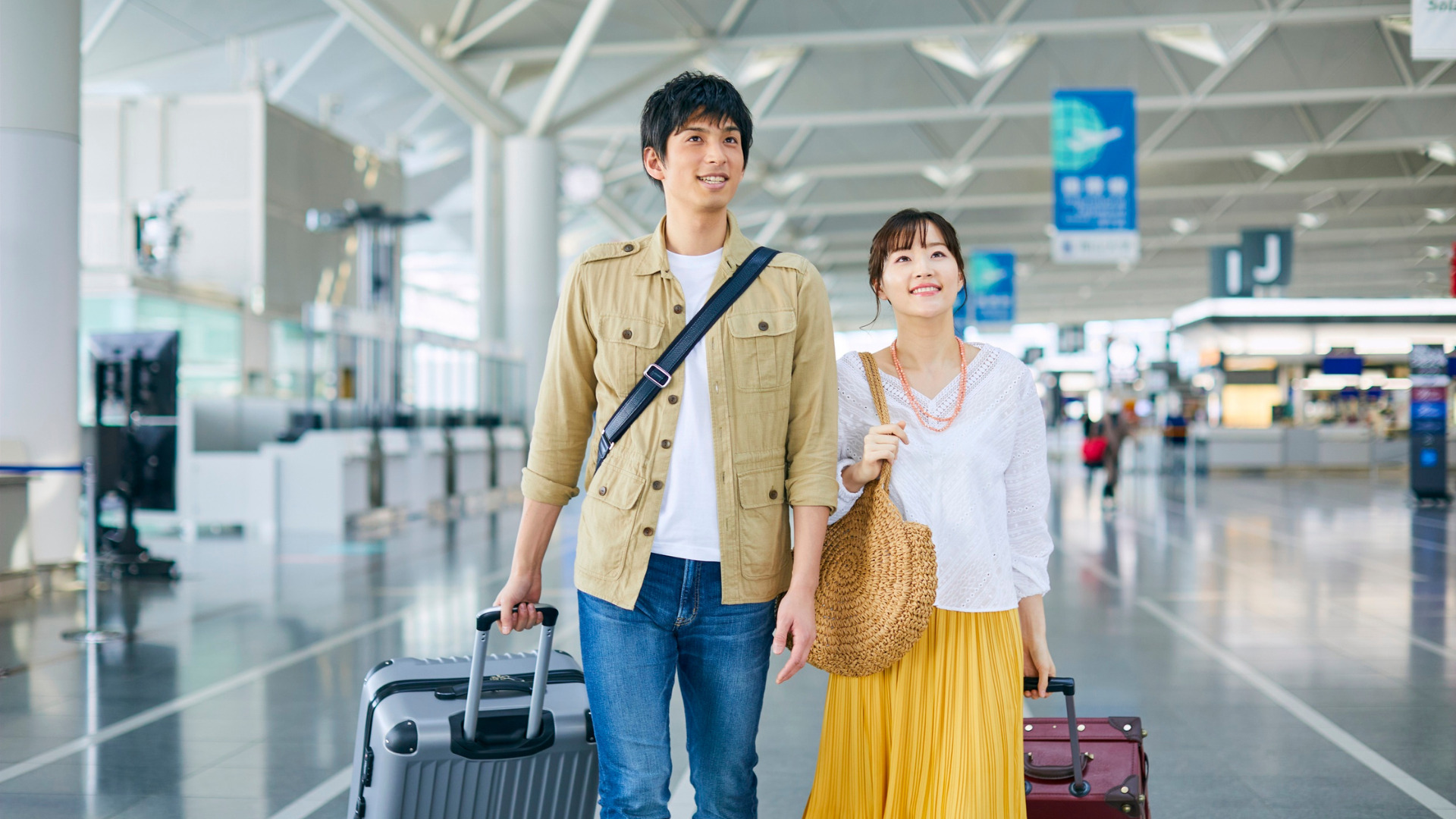
Living in Australia while your partner or family remains overseas can be emotionally and financially challenging. Fortunately, many Australian visa holders may be able to bring eligible family members to Australia through a subsequent entrant application.
Although this pathway can seem straightforward, it is important to remember that approval is never automatic. Every application must satisfy the legal requirements for the relevant visa subclass, and insufficient evidence or simple mistakes can result in delays or even a refusal.
If you are planning to reunite with your loved ones in Australia, understanding the process before you apply can make a significant difference.
What Is a Subsequent Entrant?
A subsequent entrant is an eligible member of the family unit who applies to join the primary visa holder after the original visa application has already been lodged or granted. Rather than submitting a completely new visa application under a different pathway, the family member seeks to be included under the existing visa where the legislation permits it.
Not every Australian visa allows subsequent entrants, so the first step is confirming whether your current visa provides this option. Where it does, the application must still satisfy the specific requirements for that visa subclass.
Who Can Apply?
Eligibility depends entirely on the visa held by the primary applicant. Many student, employer-sponsored and skilled visa subclasses allow eligible family members to join the visa holder after the original application has been made.
In most cases, eligible family members include a spouse, de facto partner or dependent child. Some older children may also qualify if they meet Australia’s dependency requirements. However, the definition of a member of the family unit is governed by migration legislation, and applicants should not assume that being married or related automatically guarantees eligibility.
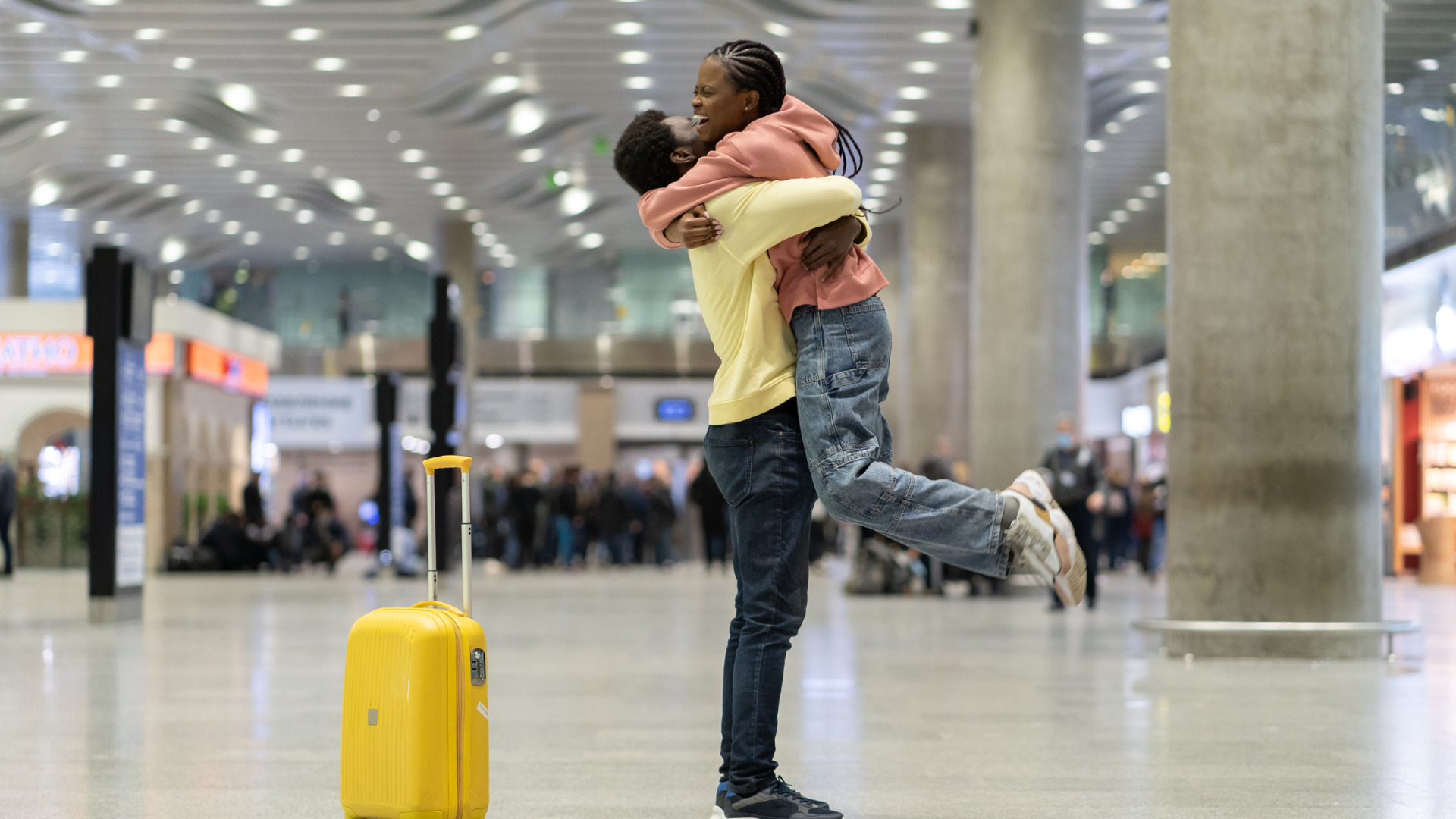
What Evidence Is Required?
One of the biggest misconceptions is that a marriage certificate alone is enough to secure approval. In reality, the Department assesses whether the relationship is genuine and continuing by looking at all the available evidence.
For couples, this often includes documents showing shared financial responsibilities, evidence of living together, travel history, photographs taken throughout the relationship and records of ongoing communication where the couple has spent time apart. The stronger and more consistent the evidence, the easier it is for the decision-maker to understand the nature of the relationship.
Where children are included, applicants may also need to provide birth certificates, evidence of parental responsibility and, in some cases, written consent from a non-accompanying parent. Depending on the visa subclass, health examinations, police clearances and additional supporting documents may also be required.
Why Are Some Applications Refused?
Many refusals occur not because the relationship is considered fraudulent, but because the application does not provide enough evidence to satisfy the legal requirements.
One common issue is submitting only a handful of documents, such as a marriage certificate and several photographs, without demonstrating how the relationship has developed over time. Decision-makers assess the overall circumstances of the relationship rather than relying on a single document.
Applications may also be refused when required documents are missing, important information is inconsistent with previous visa applications or the applicant simply does not meet the eligibility criteria for the visa. Even minor administrative errors can lead to unnecessary delays if they create uncertainty about the information provided.
How Can You Prepare a Stronger Application?
Preparing a strong application starts well before the application is lodged. Taking the time to confirm that your visa allows subsequent entrants and understanding the evidence required can help avoid costly mistakes later.
Rather than collecting documents at the last minute, it is helpful to build a complete picture of your relationship over time. Financial records, shared living arrangements, travel together and communication history can all contribute to demonstrating that your relationship is genuine and ongoing.
Applicants should also ensure that every document is accurate, consistent and properly translated where necessary. Small discrepancies between names, dates or previous visa applications may require further explanation and can delay the assessment process.
Finally, because every visa subclass has different requirements, obtaining professional advice before lodging an application can help identify potential issues and ensure that the evidence addresses the relevant legal criteria from the outset.
Bringing Your Family Together Starts with Careful Planning
For many migrants, bringing a partner or family member to Australia is one of the most important milestones in their migration journey. While the subsequent entrant pathway can provide an opportunity to reunite with loved ones, success depends on careful preparation and meeting the requirements of the relevant visa.
Understanding what evidence is needed, avoiding common mistakes and planning ahead can significantly improve the quality of your application and reduce the risk of delays or refusal.
At NB Migration Law, we assist individuals and families with subsequent entrant applications across a range of Australian visa subclasses. If you are planning to bring your partner or family to Australia, seeking tailored legal advice early can help you understand your options and prepare the strongest application possible.